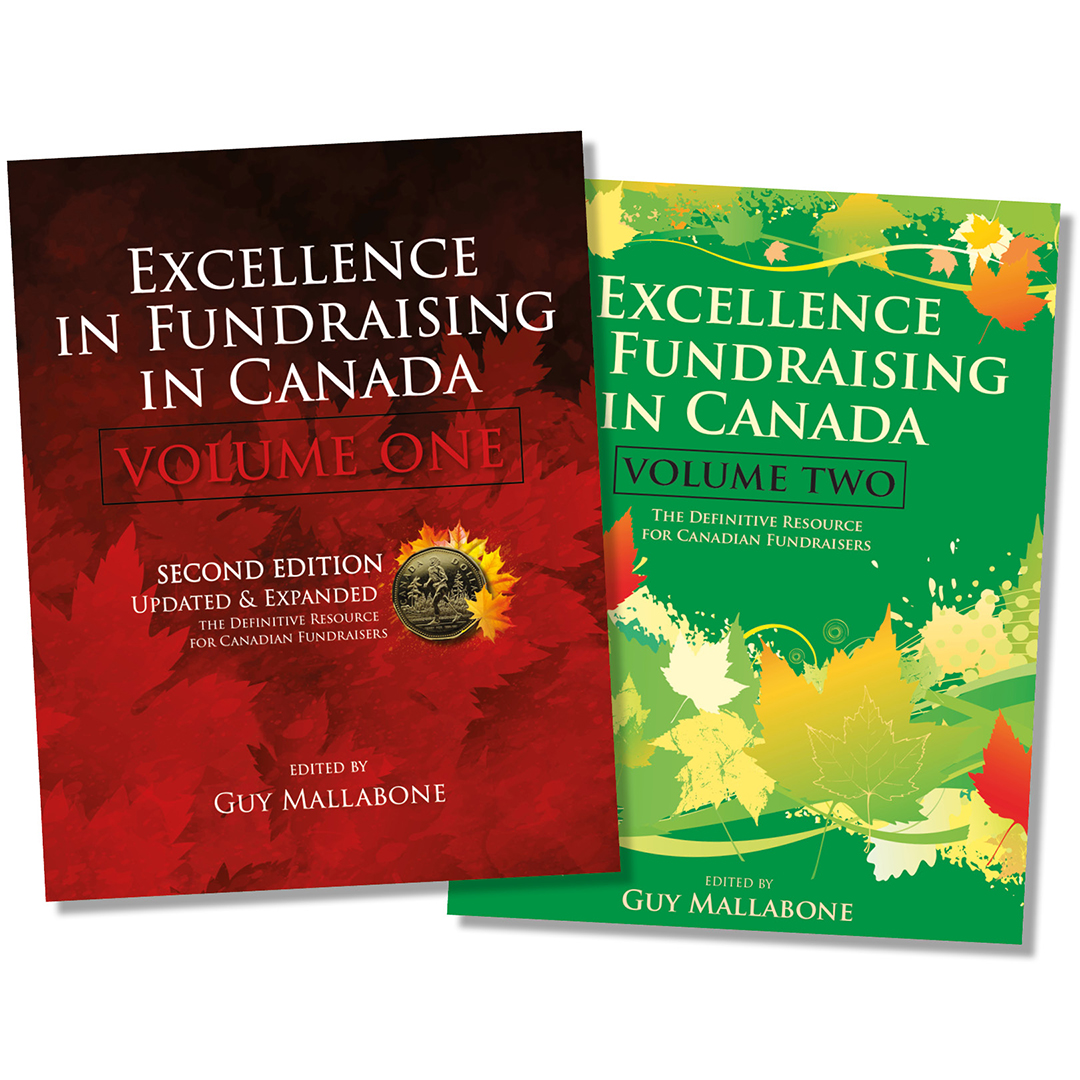
Like it or not, the public’s perception of fundraising is very much tied to events. In the nonprofit world, a special event is the Trojan horse of fundraising. It helps to build awareness and at the same time gets you involved in other things. In this excerpt from The Vigilant Fundraiser, Jennifer Hilborn and Sarah Varley, share best-practice tips for creating an event that does more than earn money for your organization’s coffers - your event can also make a positive impact on the community.
Charities create and advocate for change to create a better world. Sometimes this involves what the Canada Revenue Agency (CRA) calls “political activity”. Often charities are stuck between a rock and a hard place, not knowing how far they can push their advocacy boundaries, particularly since the Hounourable Joe Oliver released and open letter in 2012, in which he targeted environmental organizations across Canada. In this two part series, Terrance S. Carter and Linsey E.C. Rains, will help to provide some legal clarity around the CRA policies on political activities for charities.
The trend is clear - direct mail files are shrinking. Now more than ever charities need to work harder to engage more people in their cause and acquire new donors without spending a lot of money. In this article, Simren Deogun provides some concrete actions you can take today to start to build a community of online supporters in order to enhance your donor prospect pool.
Are you segmenting your donor list by gender? If not, maybe it is time to start. A new study by TD Waterhouse examines how women philanthropists interact with, and donate to, charities. The results are worth paying attention to.
It happens all the time: fundraising staff establishes a great relationship with your charity’s donors and then they move to another organization. This gap in organizational knowledge means that everyone needs to start from scratch and this may have a negative impact revenue. It doesn’t have to be that way. Using your database to document and manage your donor relationships is key. Sadly, this best practice isn’t always the priority it should be. Bill Kennedy shares some tips to help you manage your staff and get that important relationship information entered in the charity database.
 Charities create and advocate for change to create a better world. Sometimes this involves what the Canada Revenue Agency (CRA) calls “political activity”. Often charities are stuck between a rock and a hard place, not knowing how far they can push their advocacy boundaries, particularly since the Hounourable Joe Oliver released and open letter in 2012, in which he targeted environmental organizations across Canada. In this two part series, Terrance S. Carter and Linsey E.C. Rains, will help to provide some legal clarity around the CRA policies on political activities for charities.
 The trend is clear - direct mail files are shrinking. Now more than ever charities need to work harder to engage more people in their cause and acquire new donors without spending a lot of money. In this article, Simren Deogun provides some concrete actions you can take today to start to build a community of online supporters in order to enhance your donor prospect pool.
 Are you segmenting your donor list by gender? If not, maybe it is time to start. A new study by TD Waterhouse examines how women philanthropists interact with, and donate to, charities. The results are worth paying attention to.
 It happens all the time: fundraising staff establishes a great relationship with your charity’s donors and then they move to another organization. This gap in organizational knowledge means that everyone needs to start from scratch and this may have a negative impact revenue. It doesn’t have to be that way. Using your database to document and manage your donor relationships is key. Sadly, this best practice isn’t always the priority it should be. Bill Kennedy shares some tips to help you manage your staff and get that important relationship information entered in the charity database.